Fast delivery
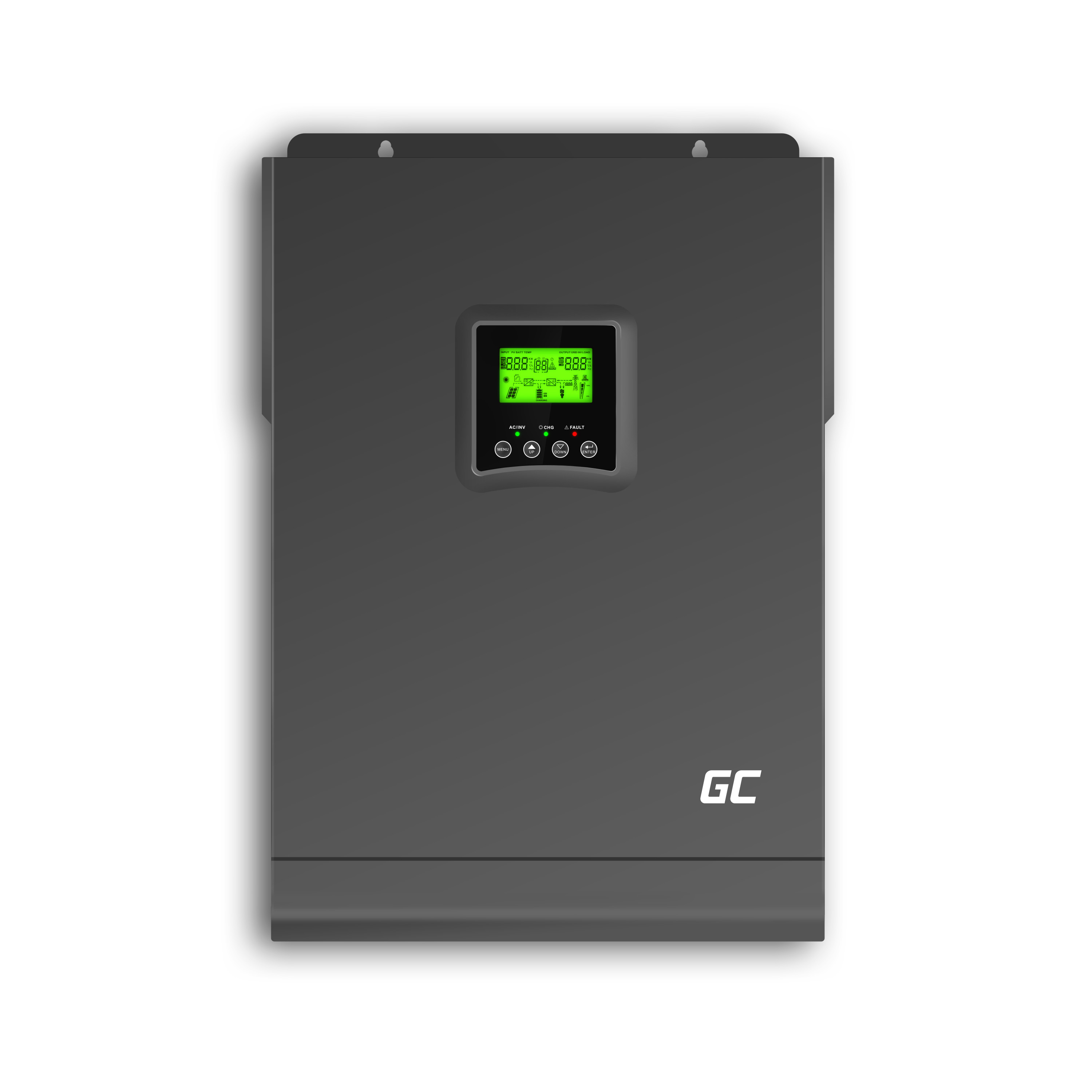
Inverters—voltage converters for off-grid power systems and solar panels.


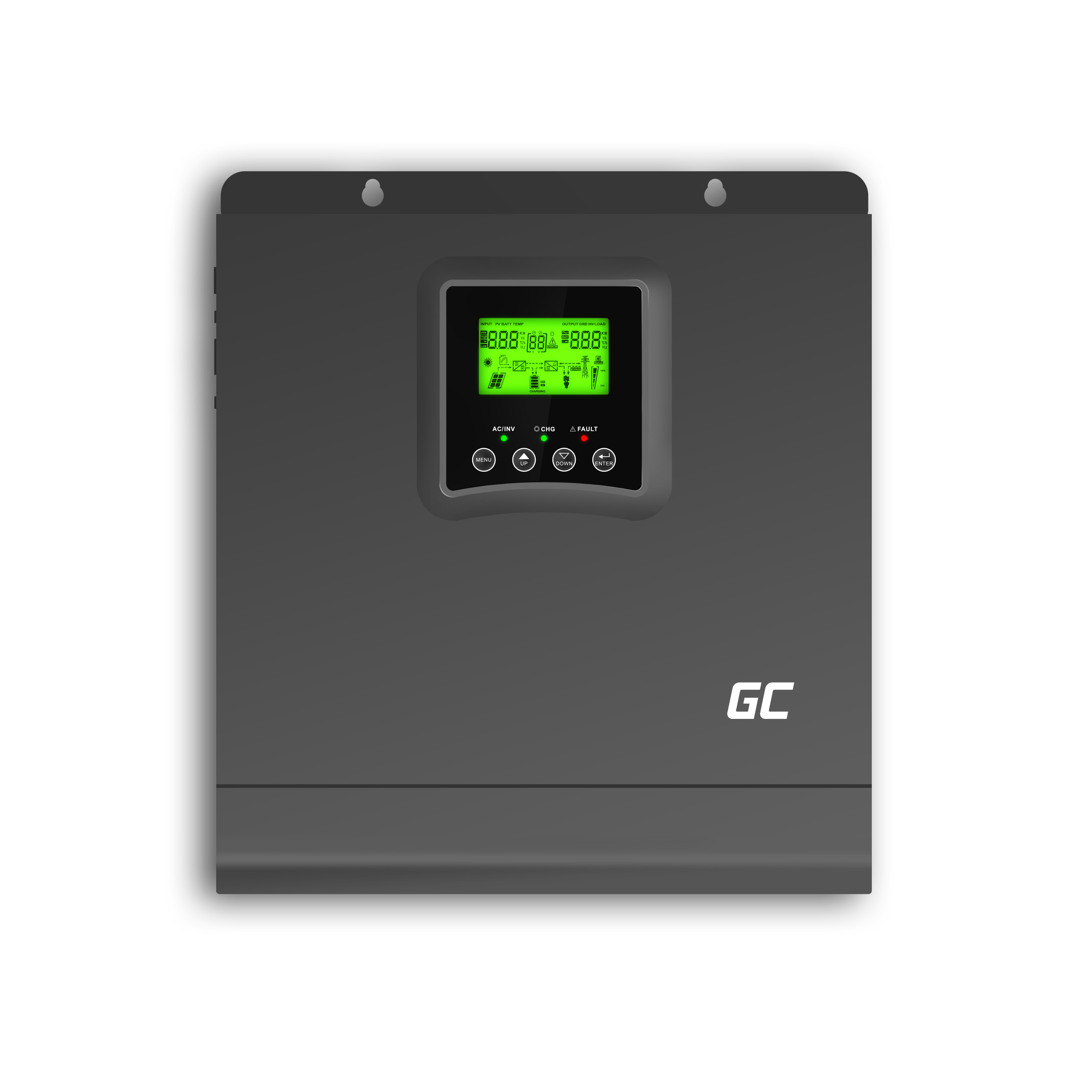
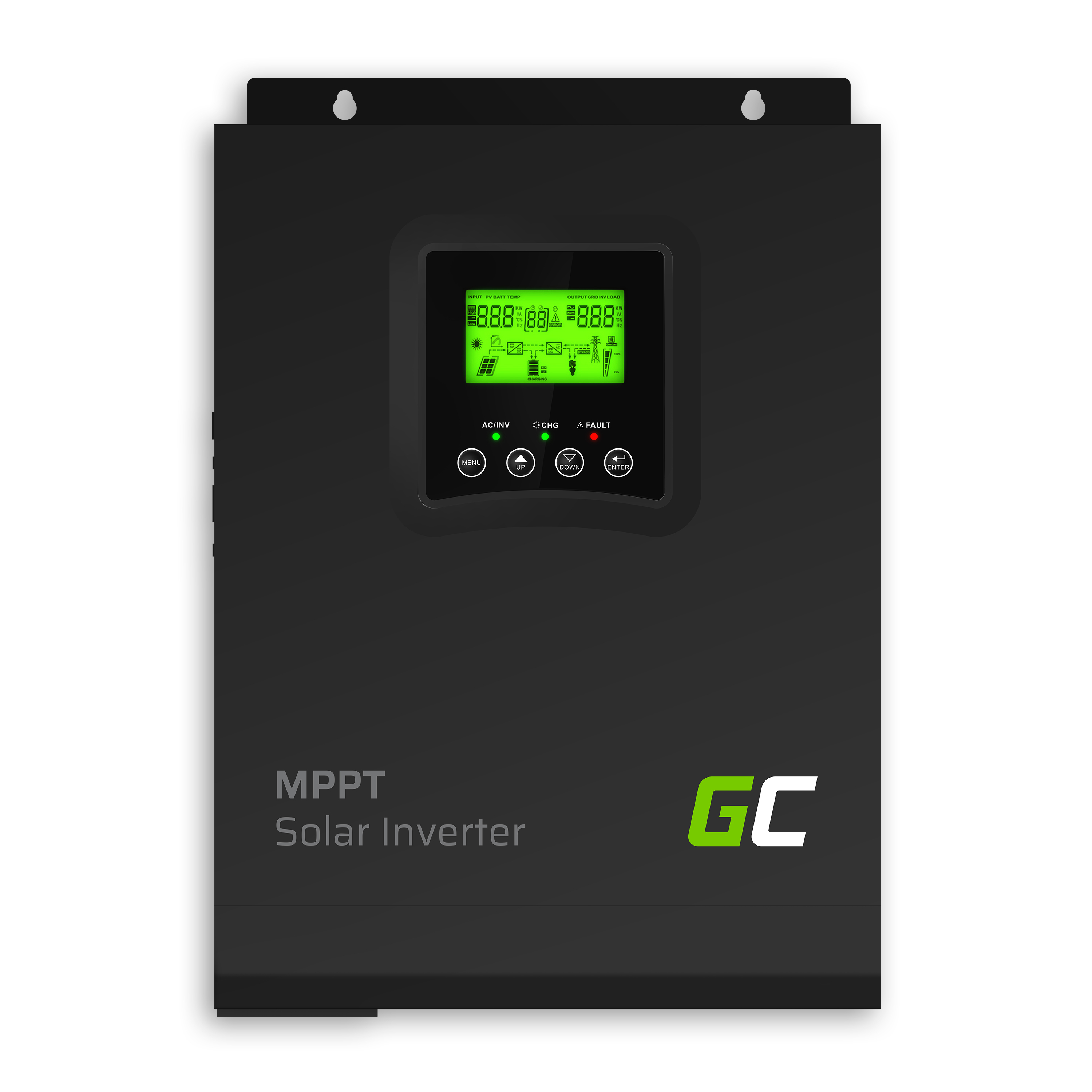
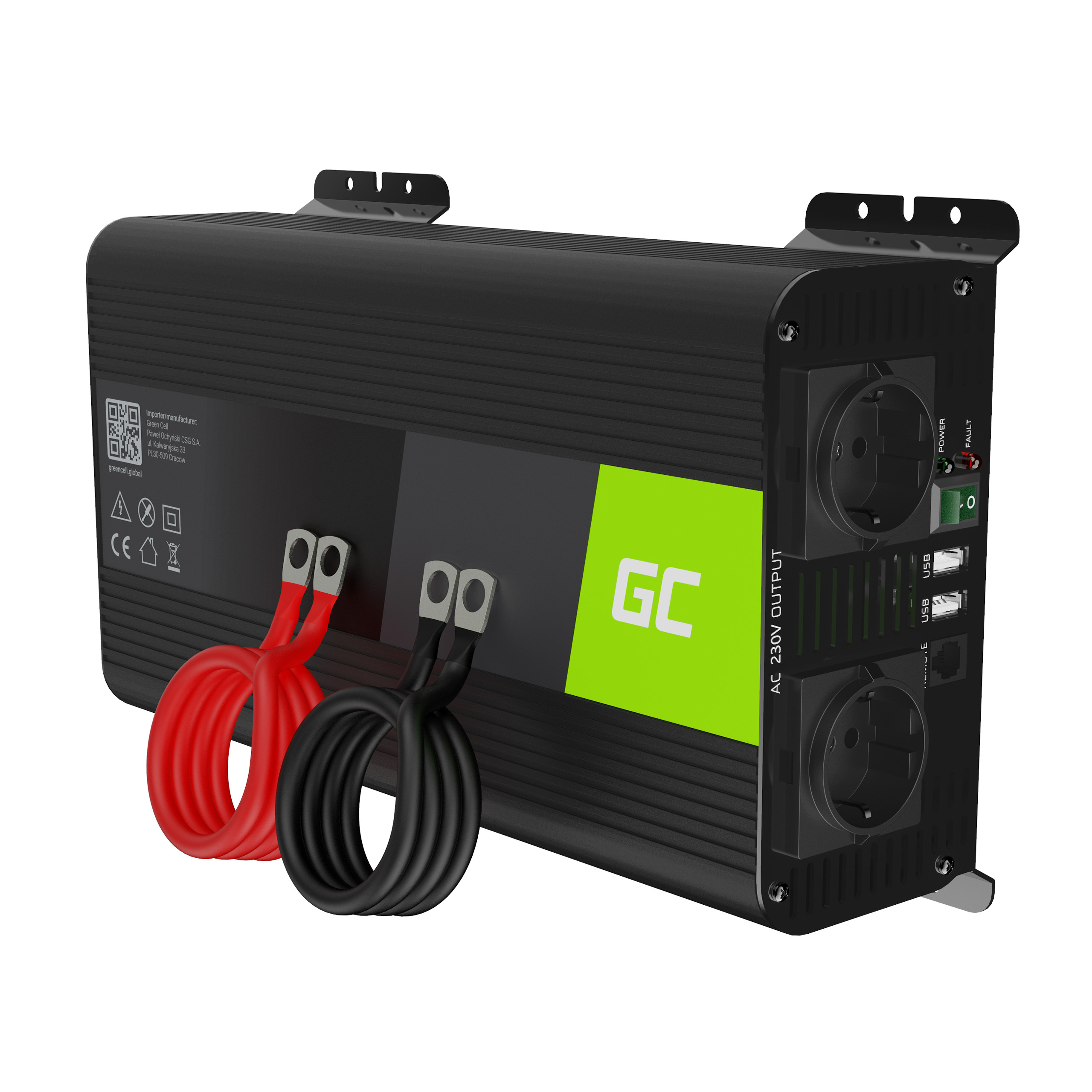
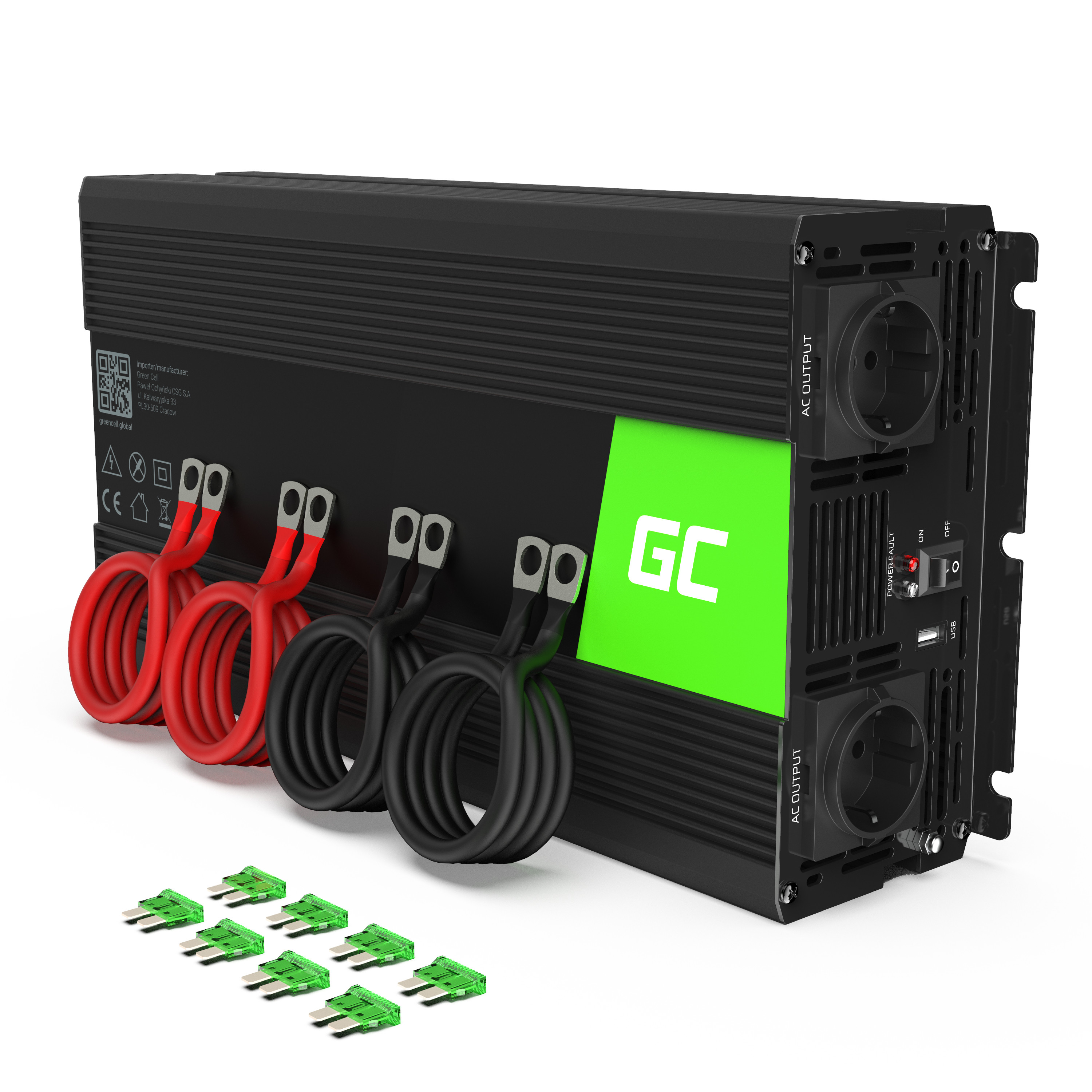
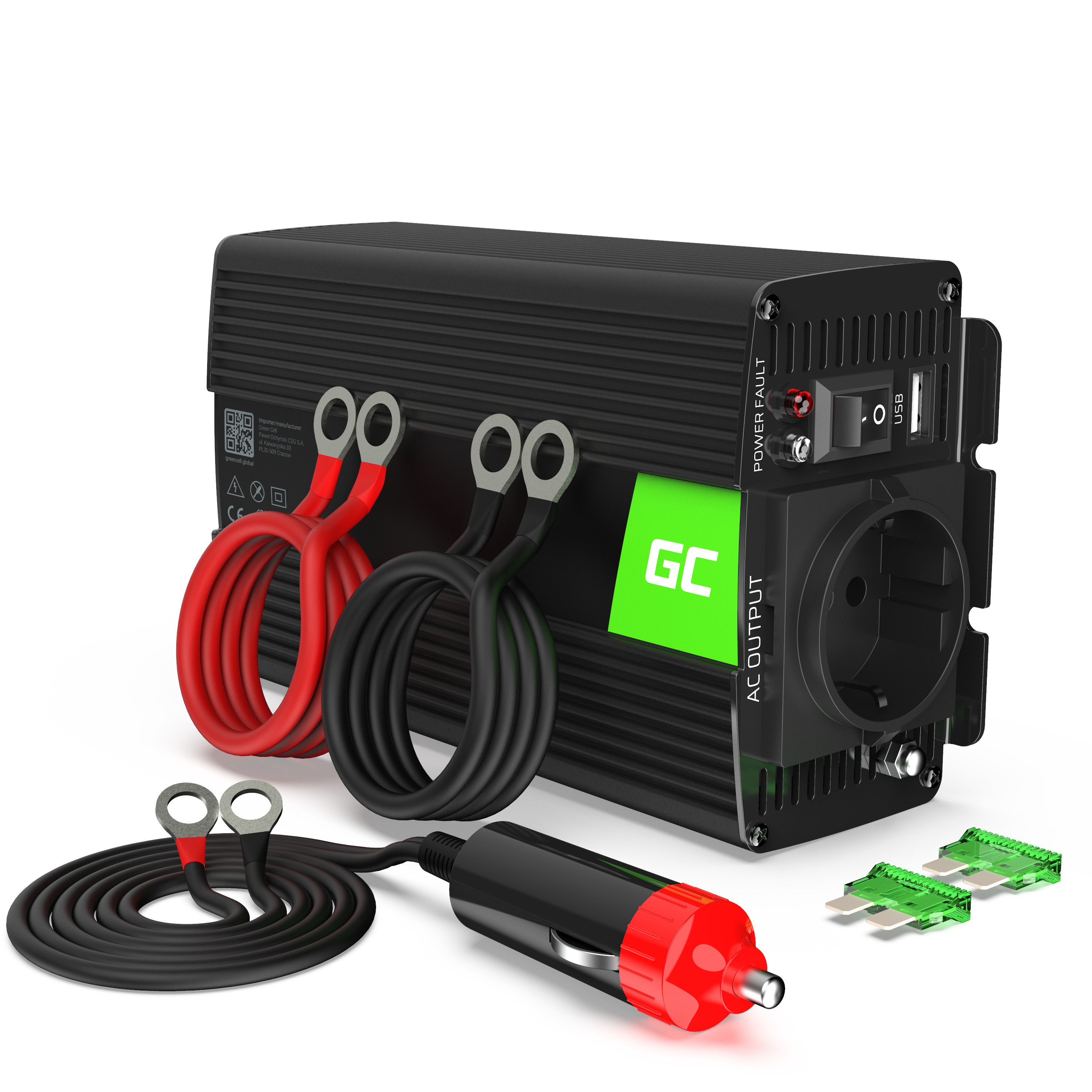


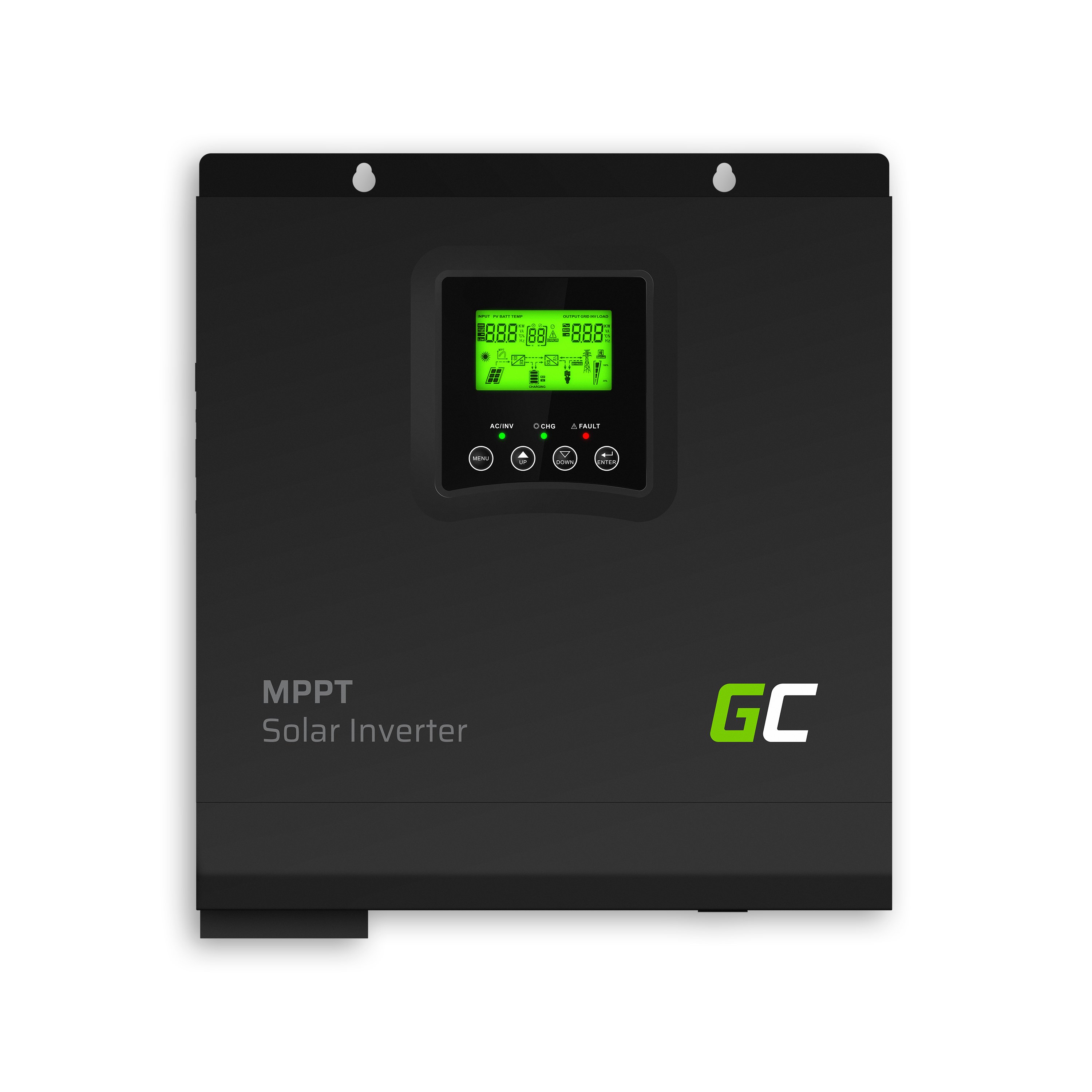


Power comes on schedule. And sometimes — not on schedule. The boiler stops, the pump goes quiet, the router blinks — and silence. Sound familiar? An inverter is the box that turns DC from a battery (or a solar panel) into normal 220 volts your appliances expect. In plain words, it keeps the house “alive” while it’s dark outside. For Ukraine in 2024–2026, this is no longer a “just in case gadget” — it’s basic household engineering.
What does an electrical inverter actually do? It starts a gas boiler and keeps heating in winter. It runs a circulation pump — the part without which even a running boiler won’t heat radiators. It powers a fiber router so you stay online and able to work. In powerful versions it can handle a fridge, air conditioner, mini saw, or a small server rack. To me, the main point is one thing: it gives you that outlet as if the power never left. Buying an inverter today is buying peace of mind for the next couple of years.
There are many inverters on display. Strip the marketing and four practical groups remain. Here’s who needs which.
They run only on batteries. For them, 220 V grid might as well not exist. Good for dachas, workshops, cabins, garages — places with no power at all or odd schedules. Simple logic: battery — inverter — load. That’s it.
These pair with solar panels. Surplus solar goes back into the grid — hence the name. They do not work without 220 V grid (important). For people with a feed-in tariff and a stable grid connection.
The most popular class for Ukrainian realities. Works with the grid, panels, and batteries at once. Grid on — power from the outlet. Grid drops — switches to battery instantly (or almost instantly). Sun appears — charges the batteries and powers the house. A hybrid is basically the brain of a home energy system.
Built around PV modules. An MPPT controller squeezes the maximum out of the panel whatever the weather — overcast, morning, winter. Often already built into hybrids, but as a separate class it still exists.
You don’t need to build a rocket. Answer three questions: what to power, for how many hours, and what will charge it. Then it’s arithmetic.
Add up the load that must run during an outage. Router + lamp + laptop ≈ 0.3 kW — a compact 1 kW inverter is enough. Gas boiler with pump and a couple of lamps — 1–1.5 kW. Fridge, boiler, pump, lights, TV, PC — 3–5 kW. A home with an electric stove, water heater, and AC — 5 kW and up. Critically important: inrush current. A fridge at start can demand 3–5× its nameplate power. If the inverter can’t handle the peak, it trips into protection. Size for the peak, not the average.
Pure sine wave is mandatory for boilers, pumps, medical gear, PCs, audio. Modified sine is cheaper but may not run picky electronics or may shorten its life. Honestly, in 2026, saving on sine is a bad idea.
Consumer units are often 12 V or 24 V. Serious home systems use 48 V: lower wire losses, higher efficiency, stronger charging. For LiFePO4, pick an inverter with proper chemistry support — otherwise the charge profile will be wrong. Lead-acid AGM is budget-friendly but shorter-lived.
A hybrid without batteries is just a pretty box. Without batteries it’s useless in an outage. Budget for batteries from day one. Rough capacity: load in watts × hours of autonomy ÷ system voltage = amp-hours. Crude, but it works.
We’re not trying to sell “everything to everyone.” Euro-Parts lists gear that actually works in Ukrainian conditions — from Kyiv apartments to small server stacks in Kharkiv.
Inverter price matters. But it’s not everything. When power dies at midnight, what matters is whether the product works right now, how fast a replacement arrives, and whether you can talk to a human.
I’ll be direct. Manufacturer blurbs are often written by marketers, not people who lost everything at 3 a.m. So the reviews section isn’t decoration — it’s a tool.
What to look for before buying:
Fresh reviews under each catalog model — not edited into “everything is perfect.” Sometimes they’re harsh. That’s fine. That’s how you get a real picture.
Take a minute. List what must run during an outage. Open the catalog. Unsure — message us and we’ll help choose a voltage inverter for your actual load, without upselling.
Order online or by phone. Check price, stock, and delivery times to Kyiv, Kharkiv, Odesa, or any other city in one click. We keep prices current and don’t make you “email for a quote.” Buy once — forget the panic at the next blackout. An inverter for an apartment or country house isn’t luxury; it’s basic life support.